Bird Portraits
Birds fluff up their feathers in winter to trap warm air around themselves. Similarly, humans wear puffy layers to perform the same function. As you can see, here are some birds and their human counterparts in the wild.
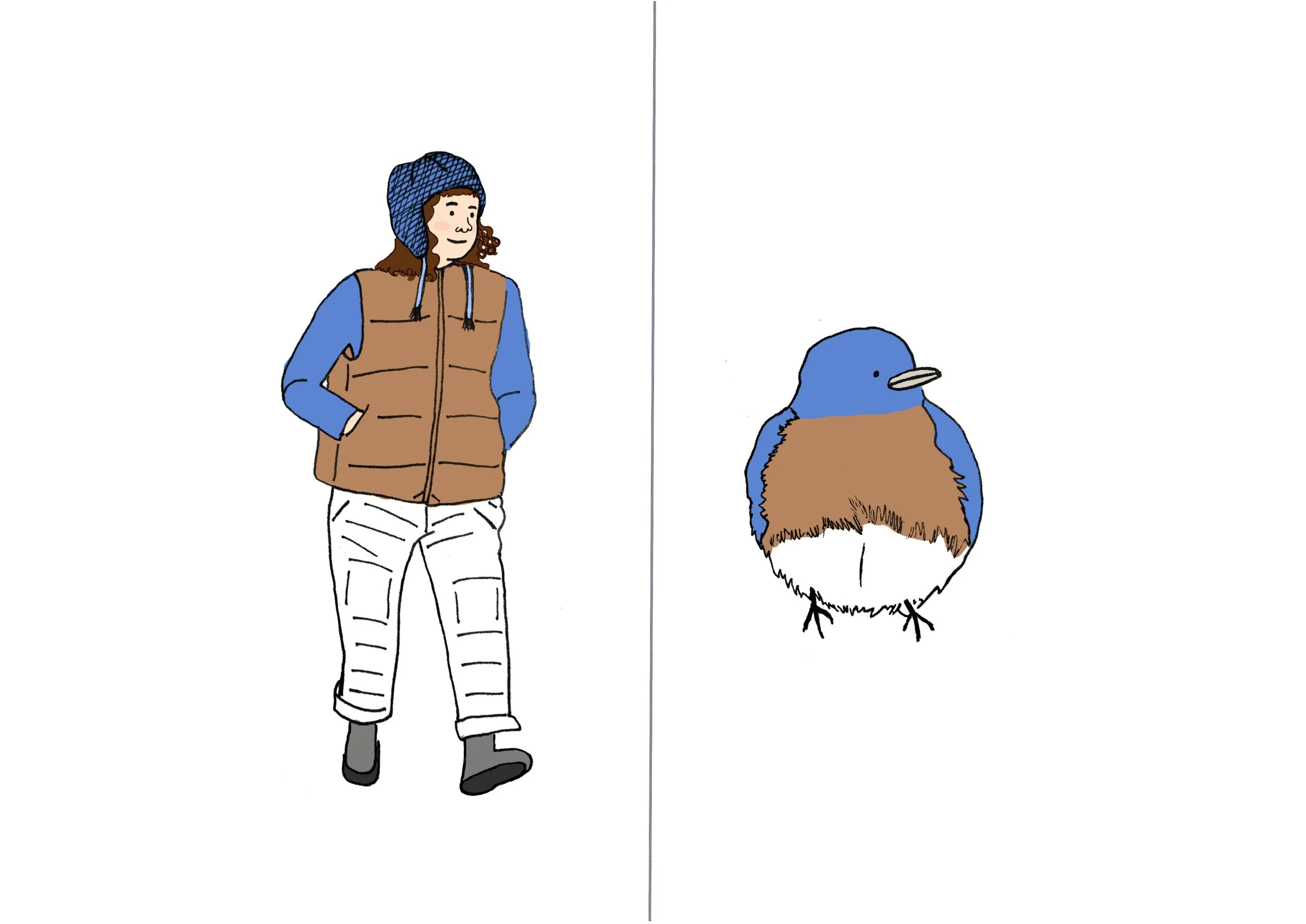
eastern bluebird
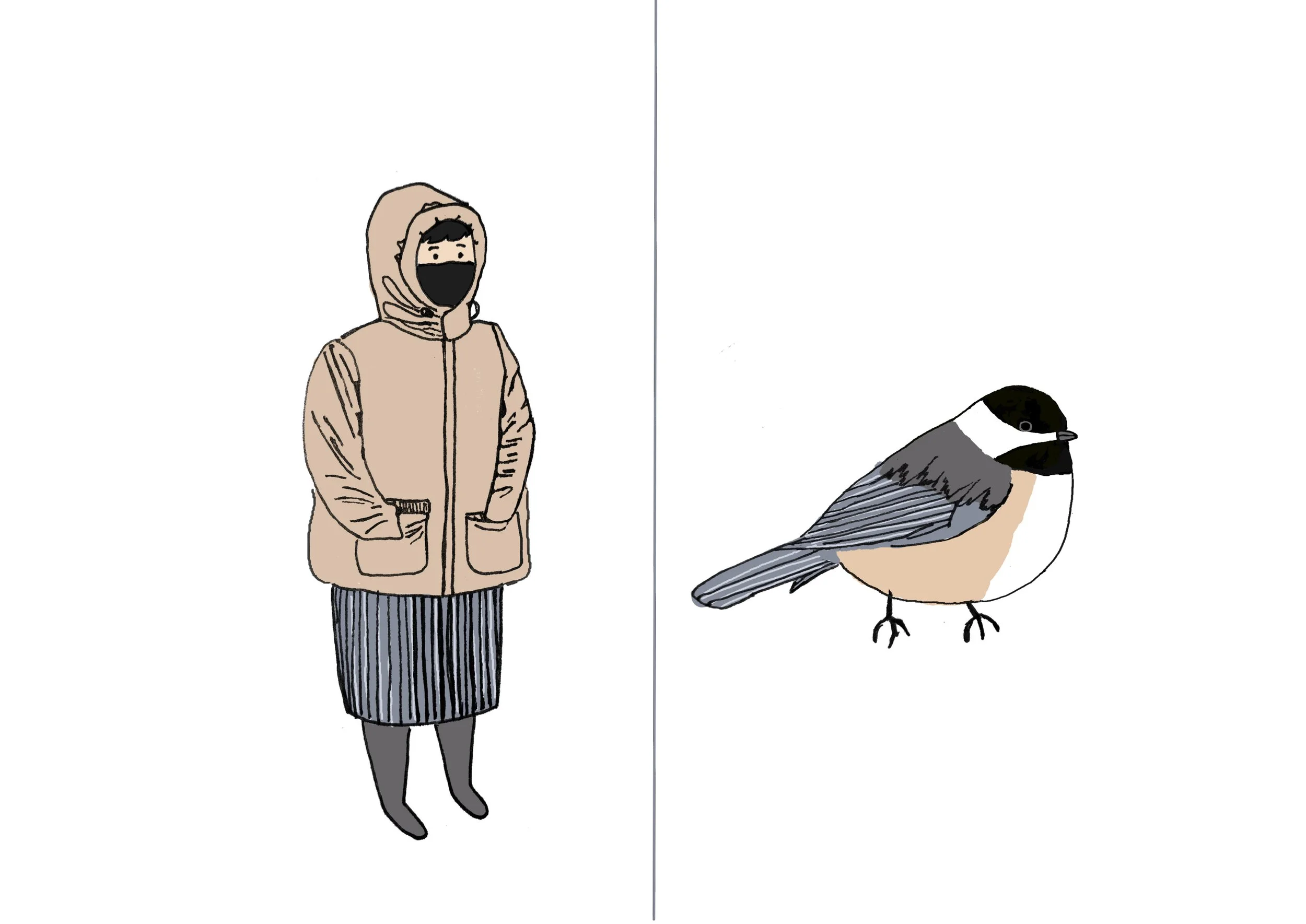
carolina chickadee
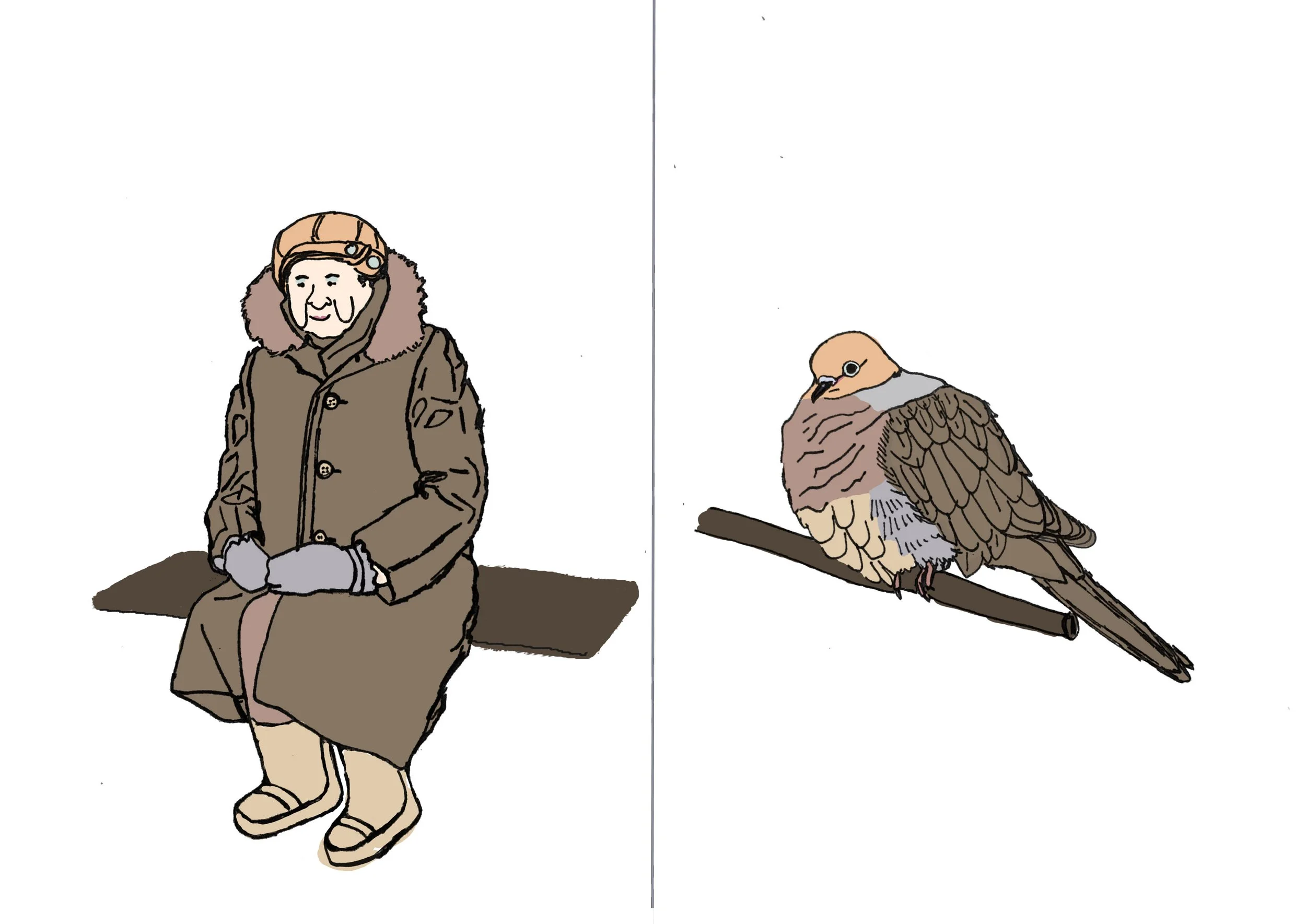
mourning dove
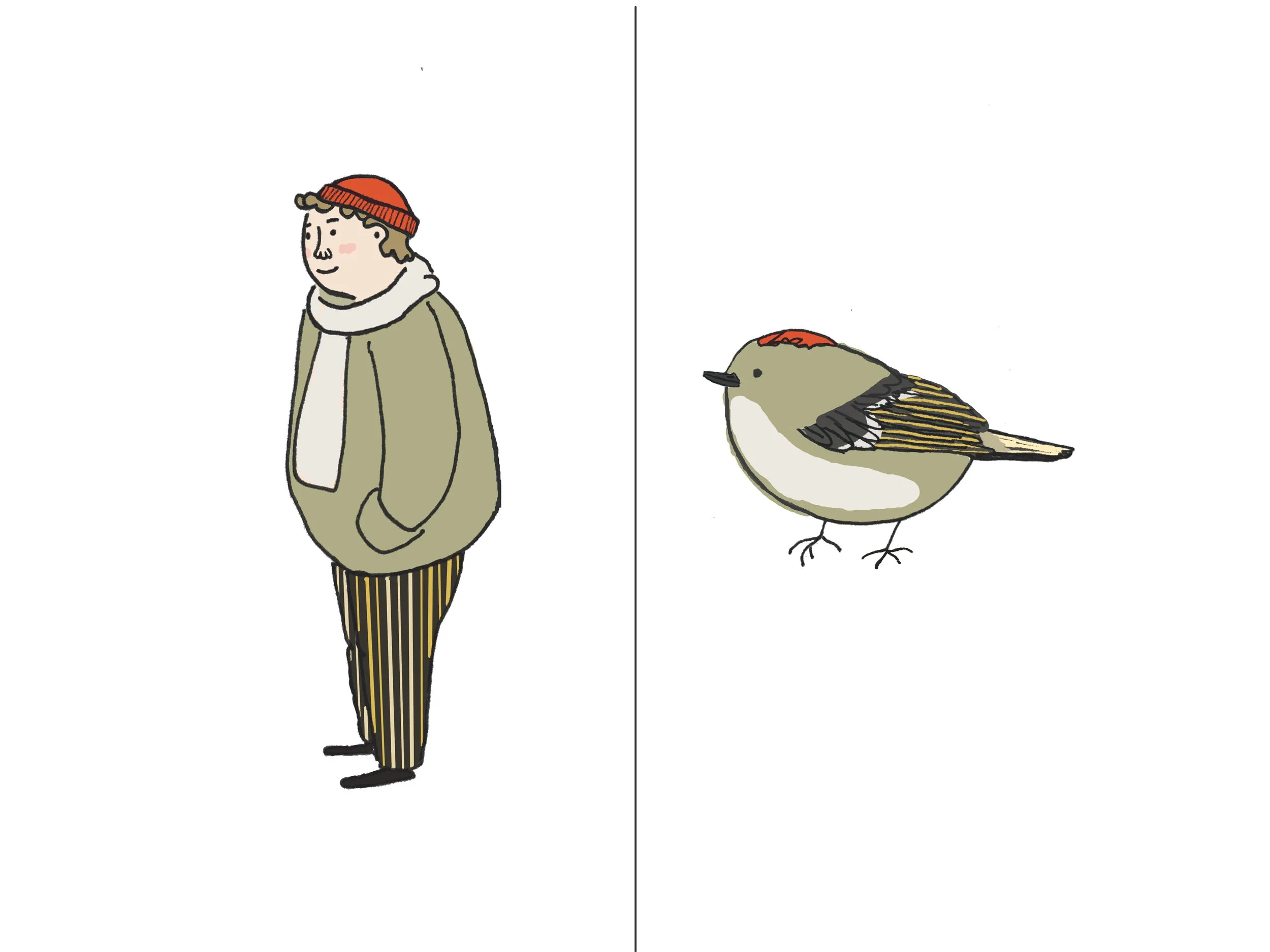
ruby crowned kinglet
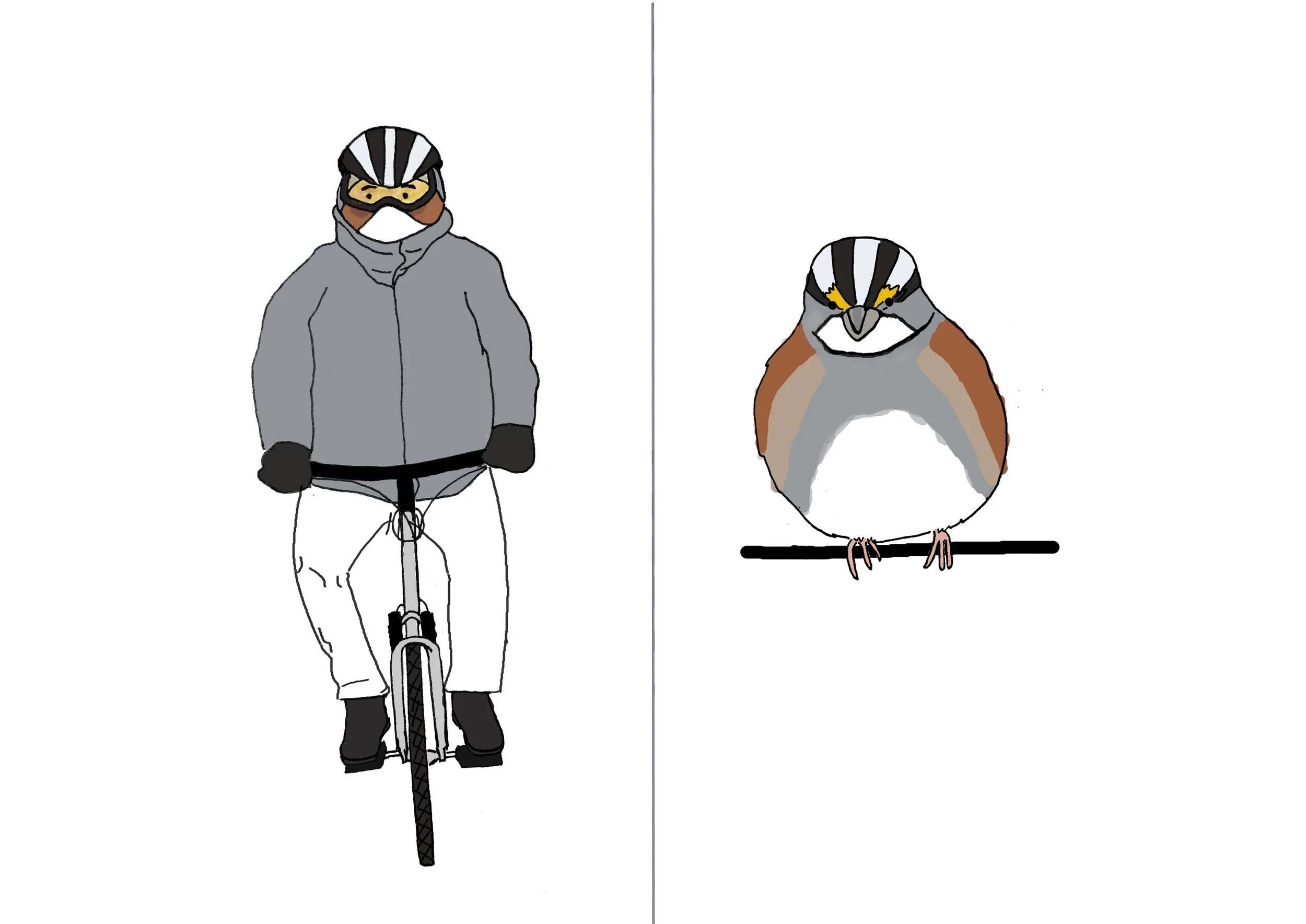
white-throated sparrow
Bug Valentines
Created for Adult Night event at the North Carolina Museum of Natural Sciences, attended by more than 2,000 people
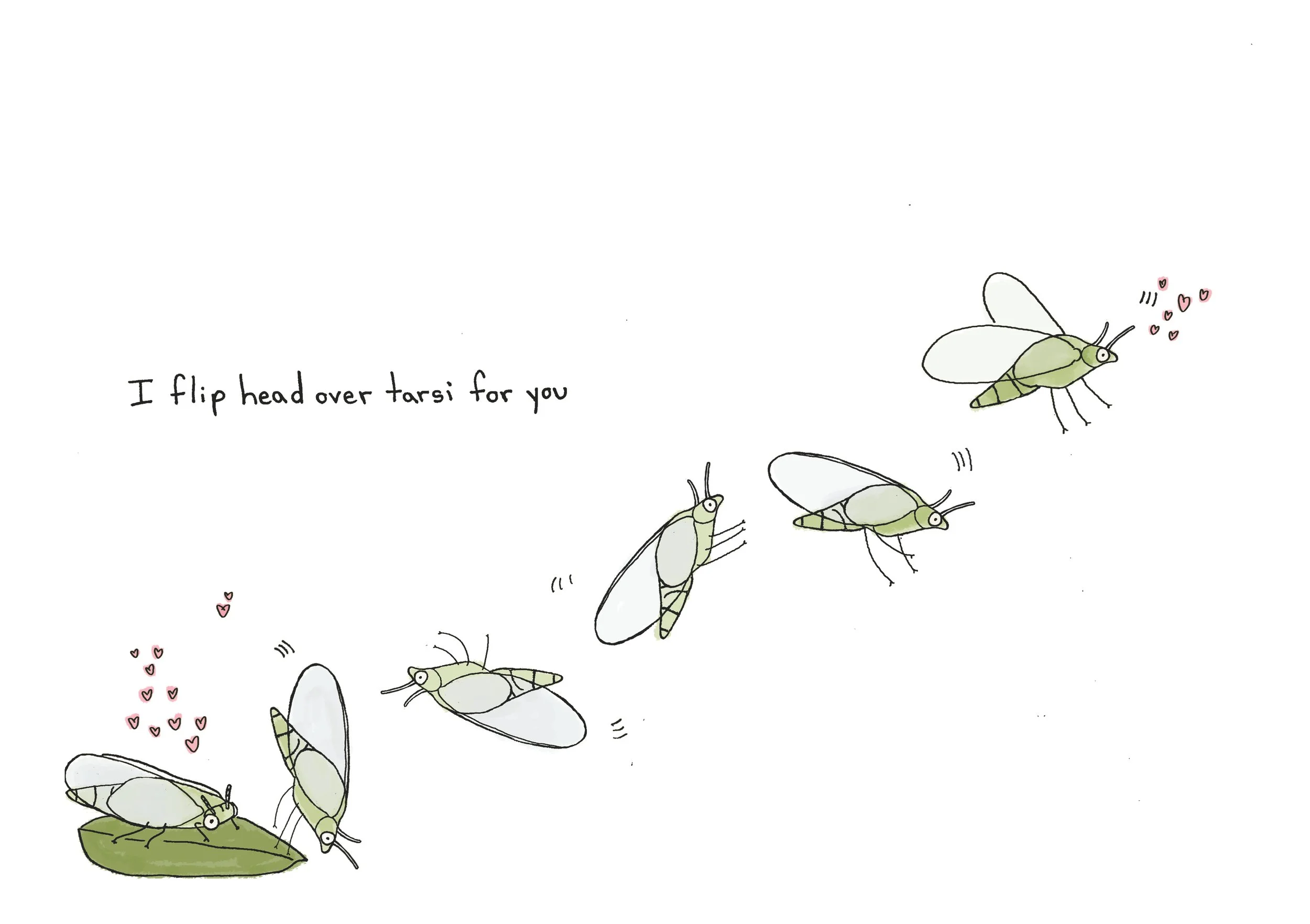
your Valentine, the under-looked psyllid. The bug shown here is a persimmon psyllid, so named because its host when it is in the immature phase is a persimmon tree. This species specifically is known for its forward jump, where it does something like a human headstand before catapulting into the air and transitioning to flight. Tarsi is the plural of tarsus, which you can think of as a foot. Hence the play on, “falling head over heels.”

Skippers are the teddy bears of butterflies. They are fuzzy, stout and have adorable, big heads like some moths, but they also have the typical club-shaped antennae of butterflies and are classified as such. Some can be colorful orange, and others are more toned down and brown. So next time look closely if you think it is a moth!

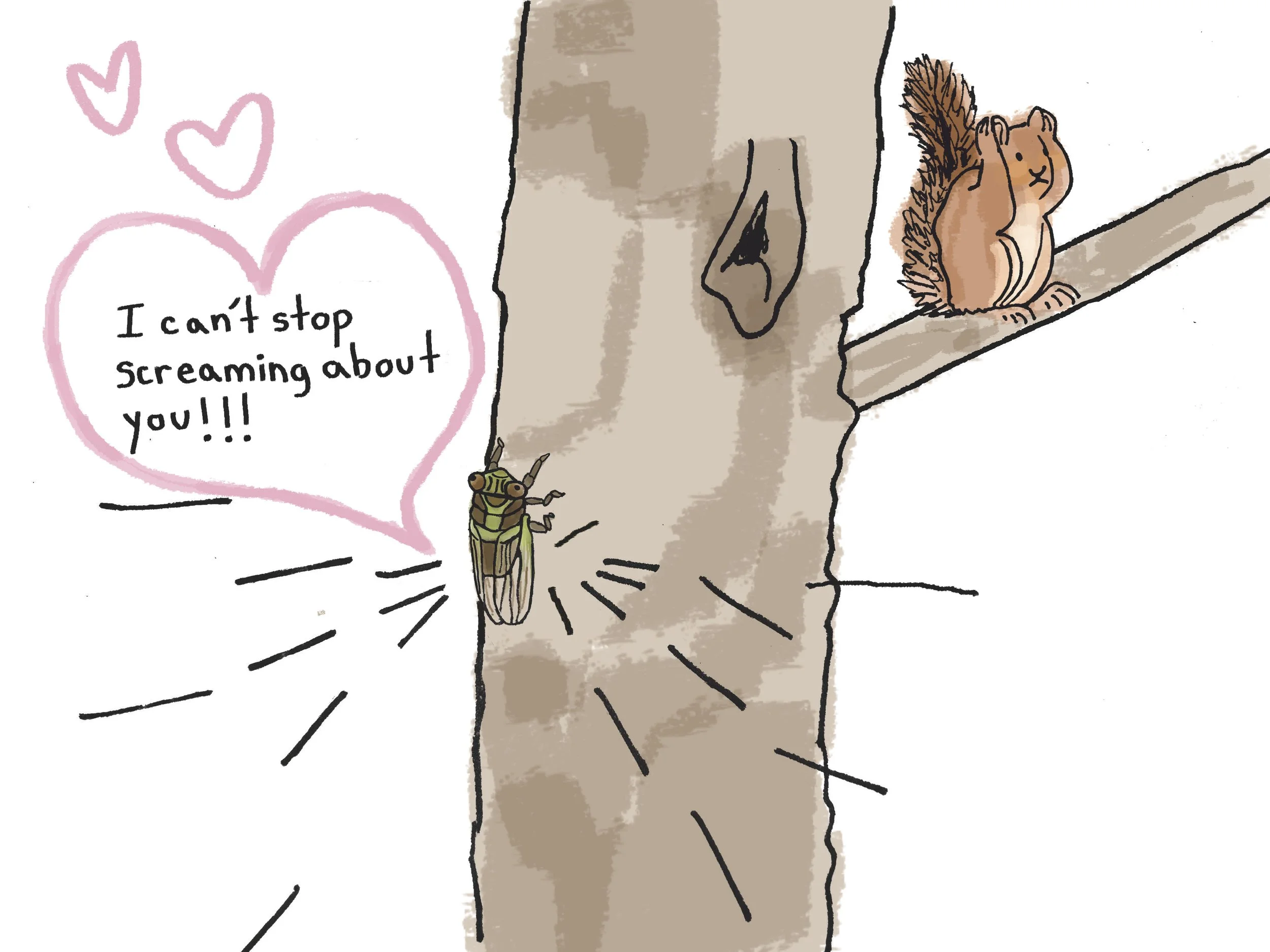
The abdomen of a cicada is like a cello -- hollow and amplifies the sounds it creates. Male cicadas have a tymbal organ that produces these sounds when they expand and contract it. Female cicadas can also make sounds, but they are less loud and made by their wings. Cicadas are in the order Hemiptera because they are a true “bug,” as they have a sucking mouth part like leafhoppers and psyllids.

Different species of fireflies have their own language composed of flashing lights that they use to communicate and find mates. Light pollution can interfere with firefly communication and their ability to find partners, which may be one of the reasons firefly numbers are declining. You can turn off your lights at night, leave the leaves so that firefly larvae have a warm home to overwinter, and not use pesticides on your lawn in order to help out these brilliant arthropods.

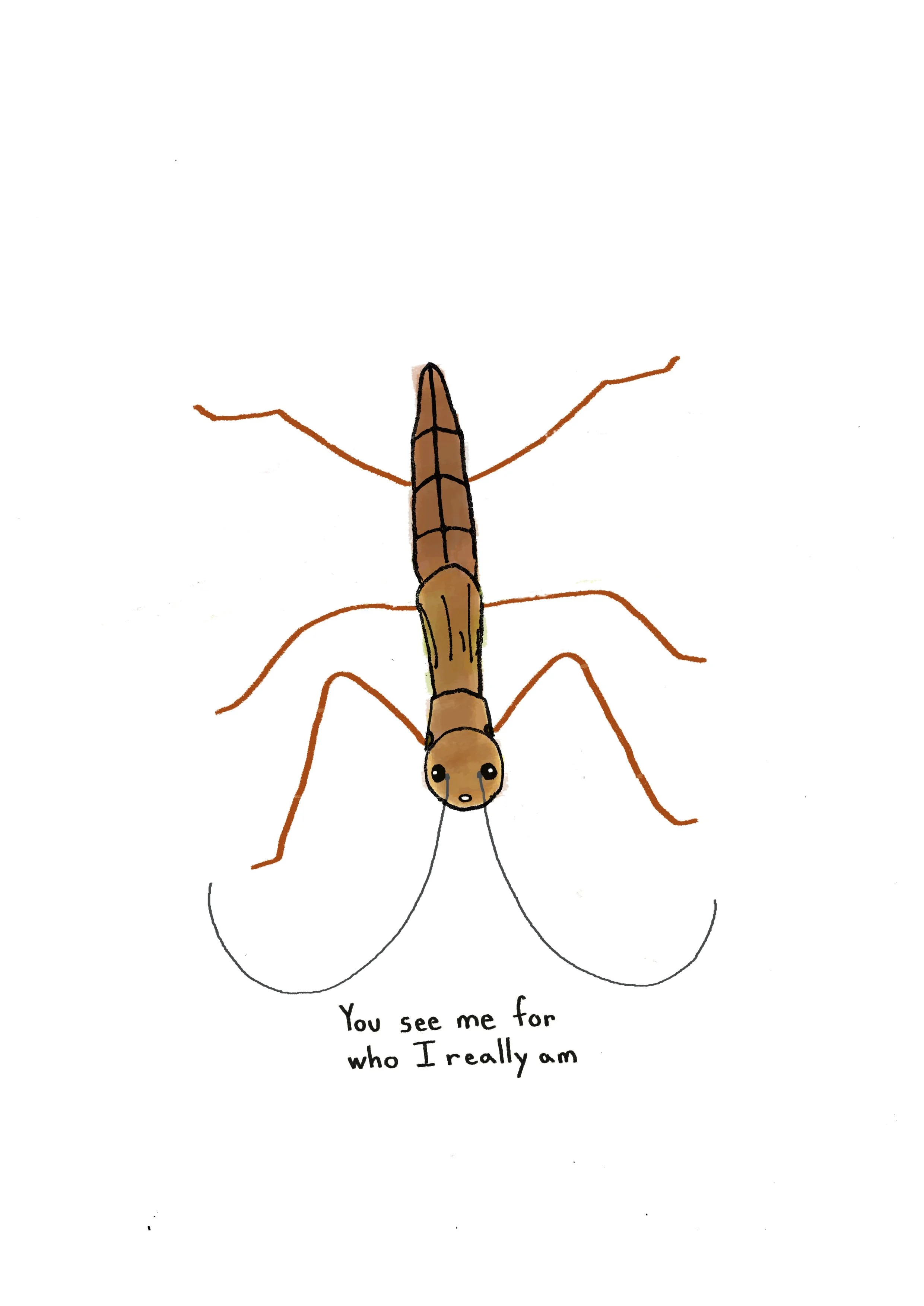
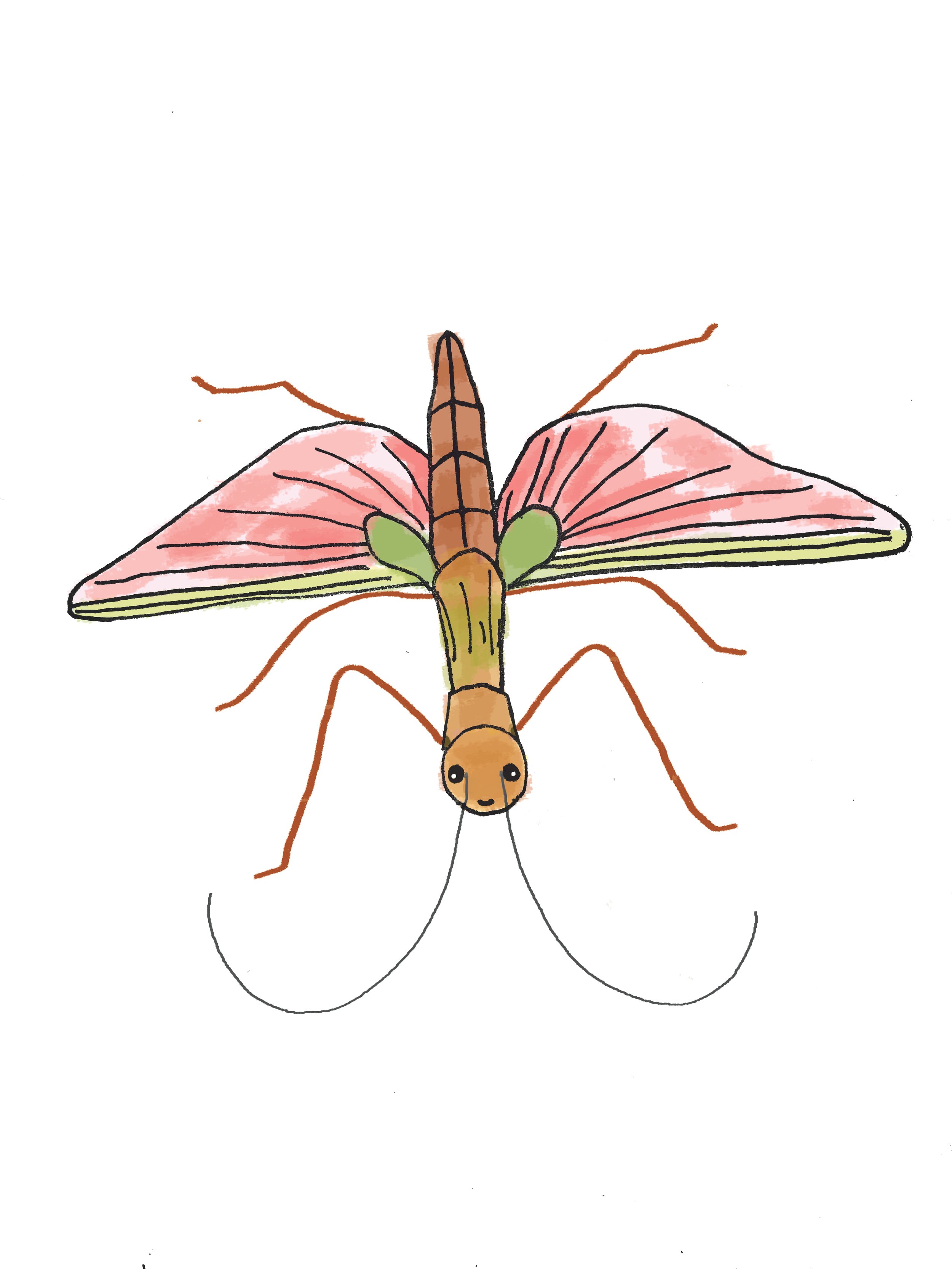
Stick insects fall under the order Phasmatodea. “Phasm” referring to their cryptic nature. They not only look like their surroundings but they also move really slowly and sway like a plant blowing in the wind. Not all stick insects have wings, and the ones that do keep them tucked and hidden away for the most part. However, when they make an appearance, they look like accordion fans, ranging in color from earth tones to bright orange, yellow, pink, and purple; some even have spots or other patterns.

Spider ballooning is known as aerial dispersal but it is similar to flying. Spiders have a couple of methods for ballooning. One of which is to stand on their front “tip toes” with their abdomens pointed in the air and to let out some silk to catch the wind. By ballooning, spiders can reach heights of 2.8 miles (4.5 km) and travel hundreds of kilometers or many miles across land or sea. This is how they can end up on islands!

Bike Advocacy
Created for a bike art show organized by Oaks and Spokes, a nonprofit that seeks to make biking safer and more accessible in Raleigh, NC

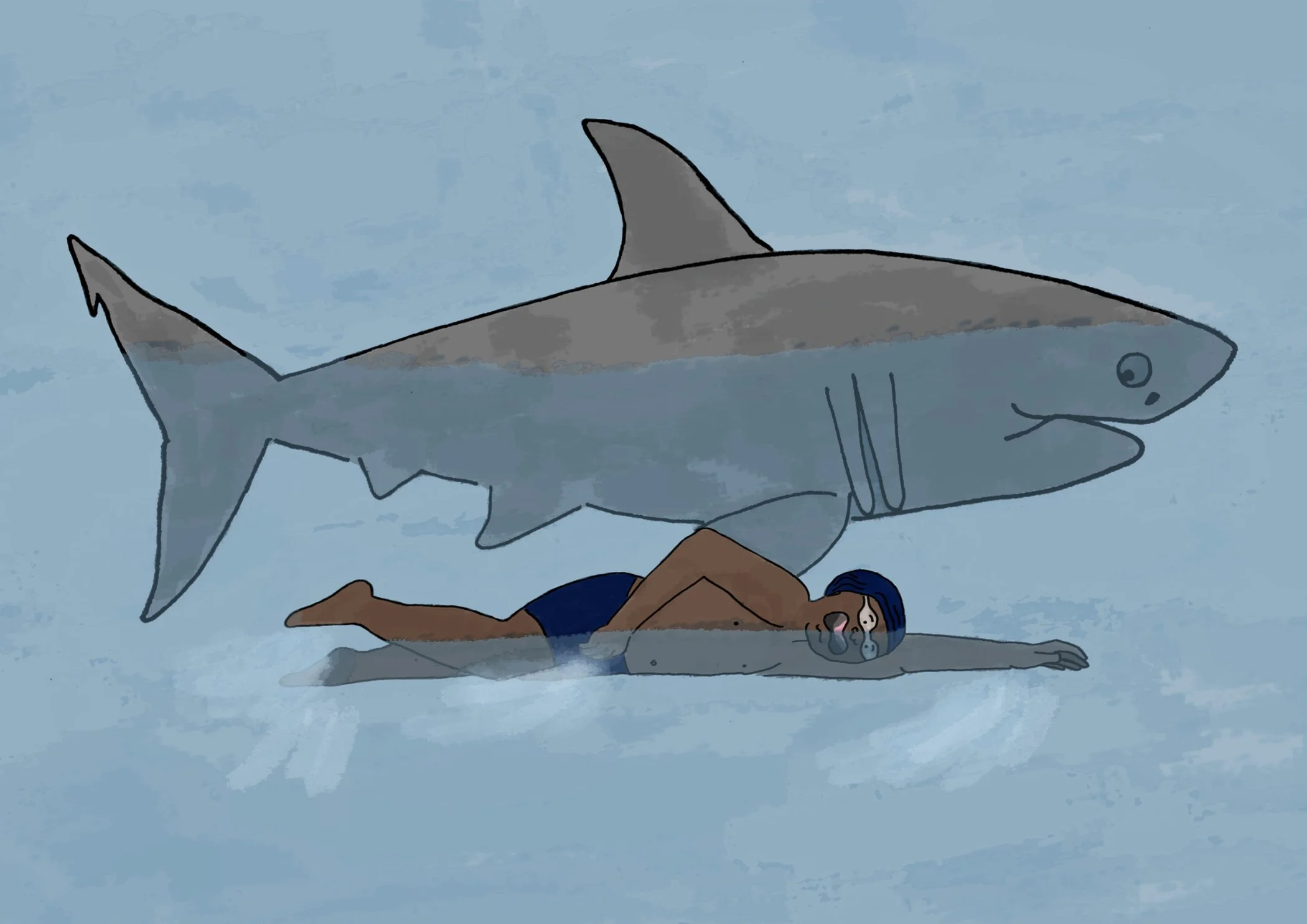

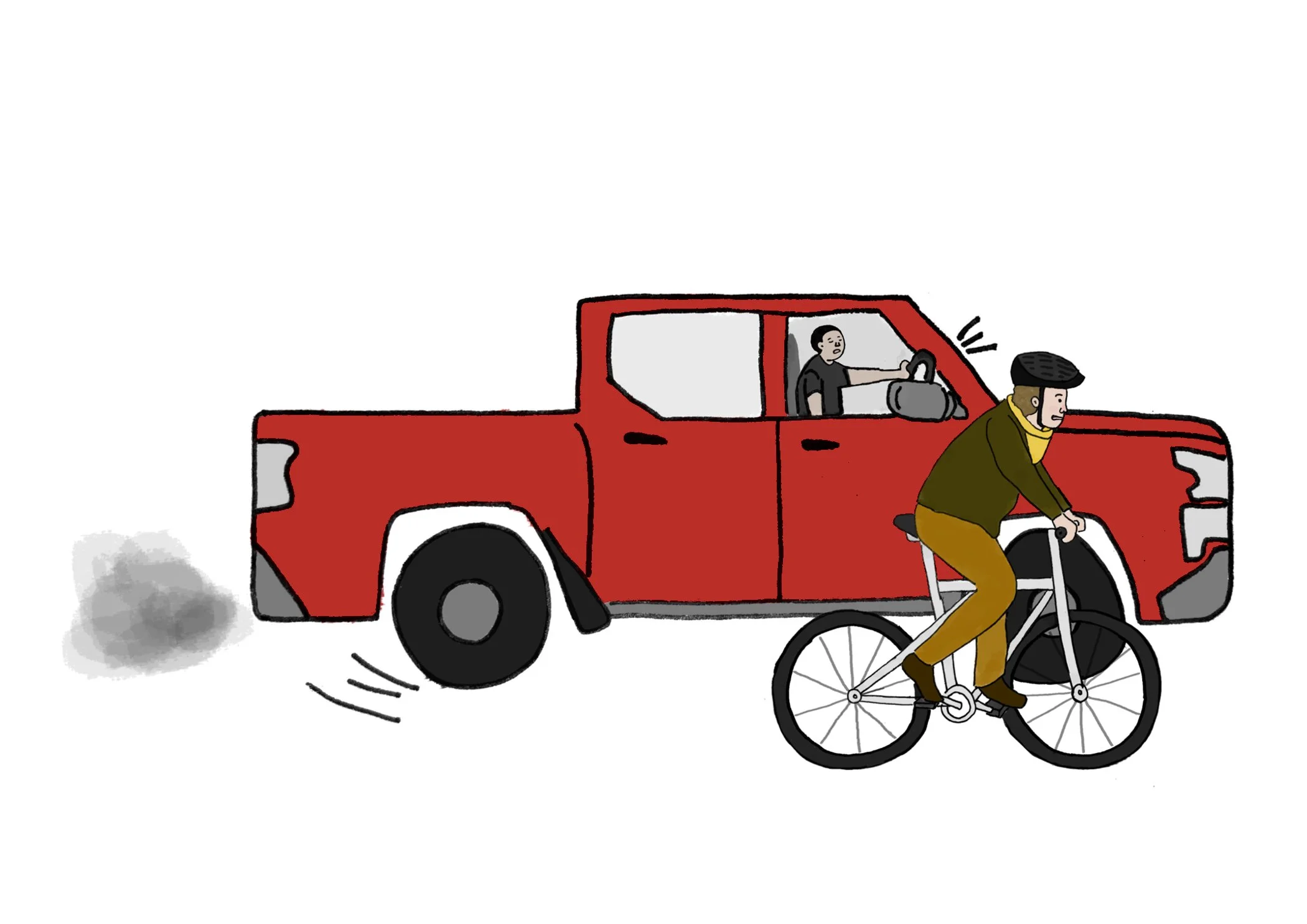
You wouldn’t want to walk too closely beside a copperhead snake, swim right next to a great white shark, or run with a grizzly bear, so why do we put bicyclists up against formidable and deadly machines? You can help reduce traffic deaths and serious injuries by driving at posted speed limits, giving bicycles ample room when overtaking, double checking for bikes or pedestrians whenever you are turning right, keeping your eyes up and off your phone, opening your driver side door with your right hand to prevent dooring unseen cyclists, and by supporting local bike infrastructure. Tell your friends! Fostering mutual respect and awareness can save lives.
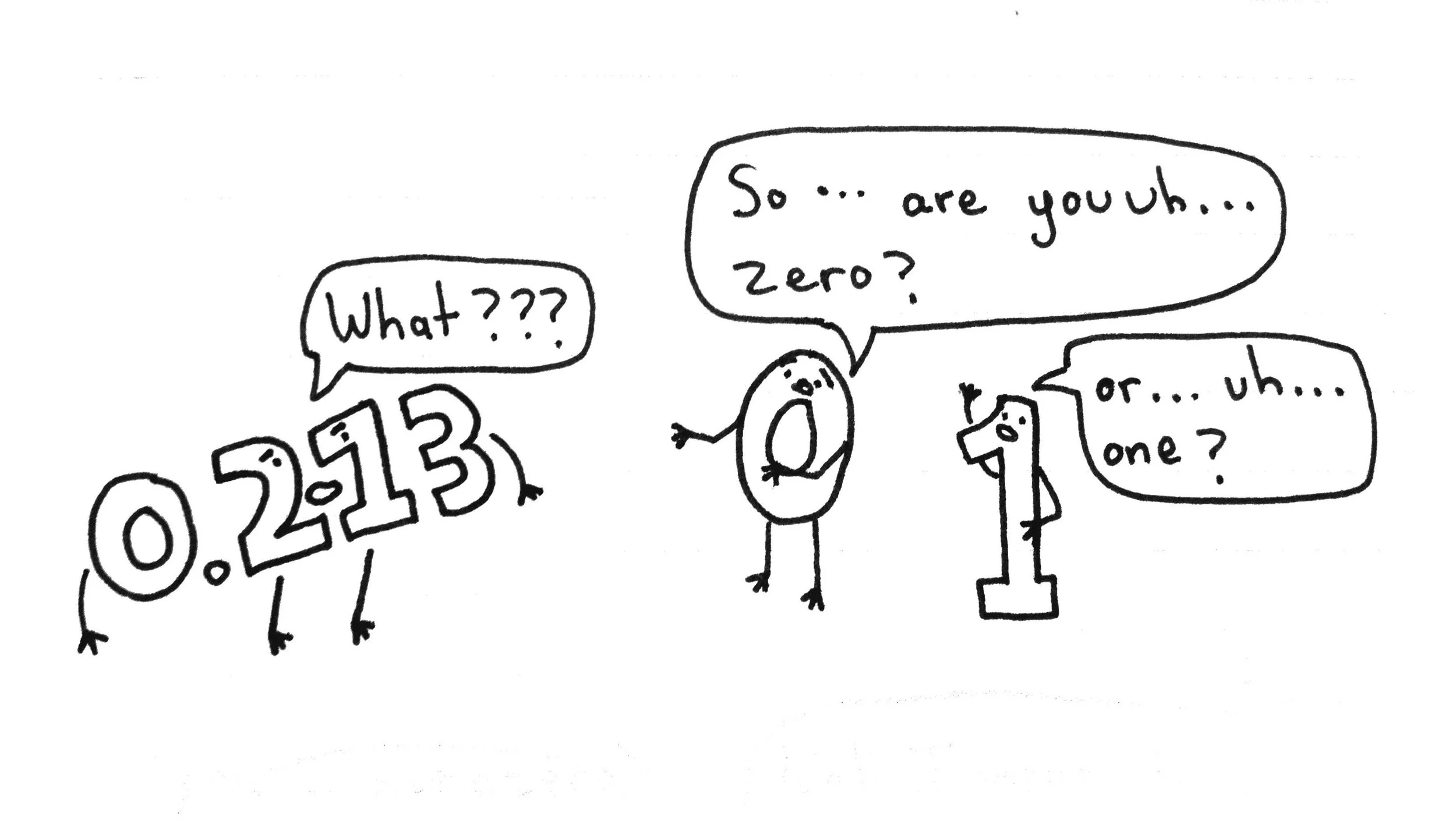
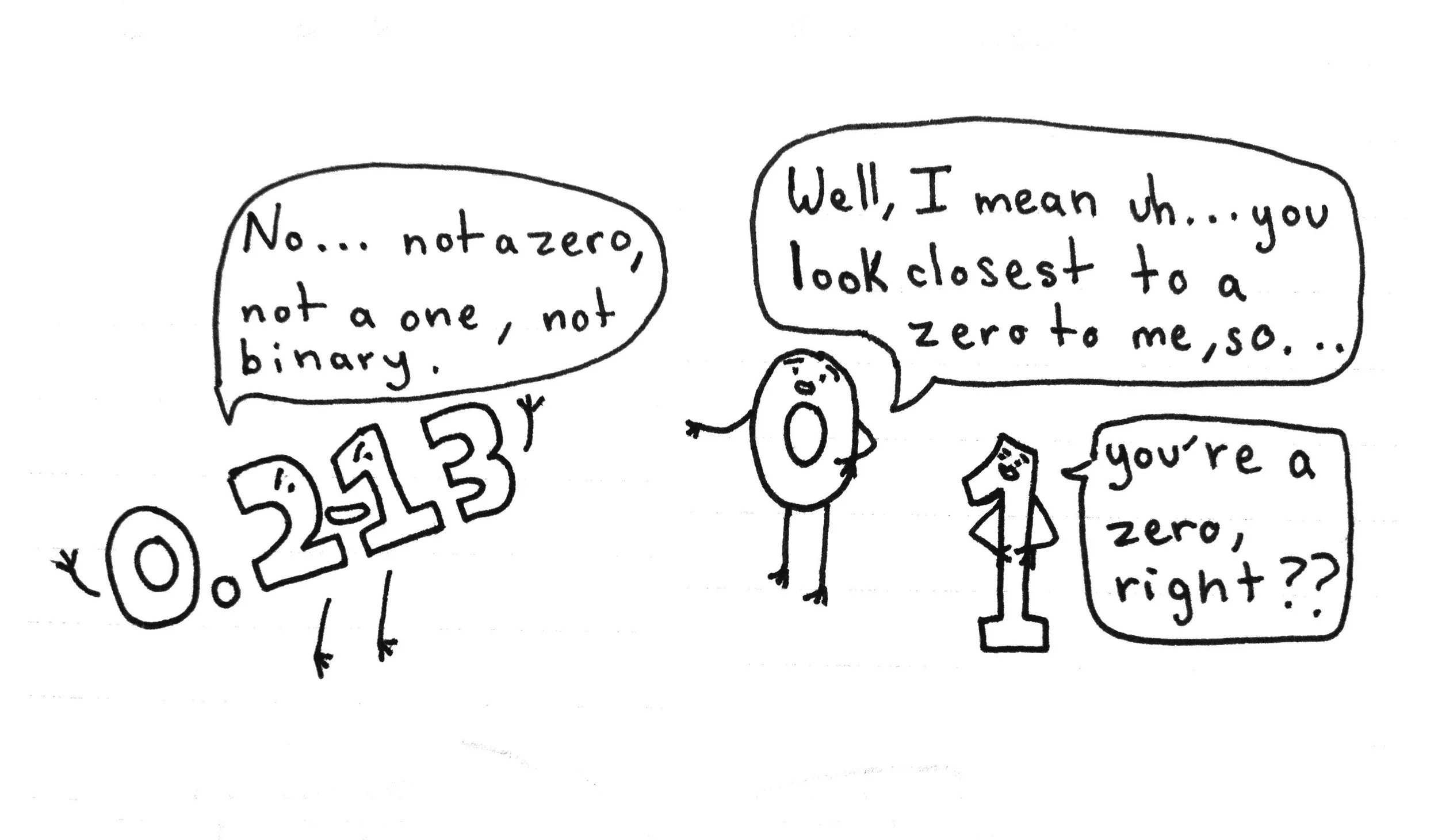
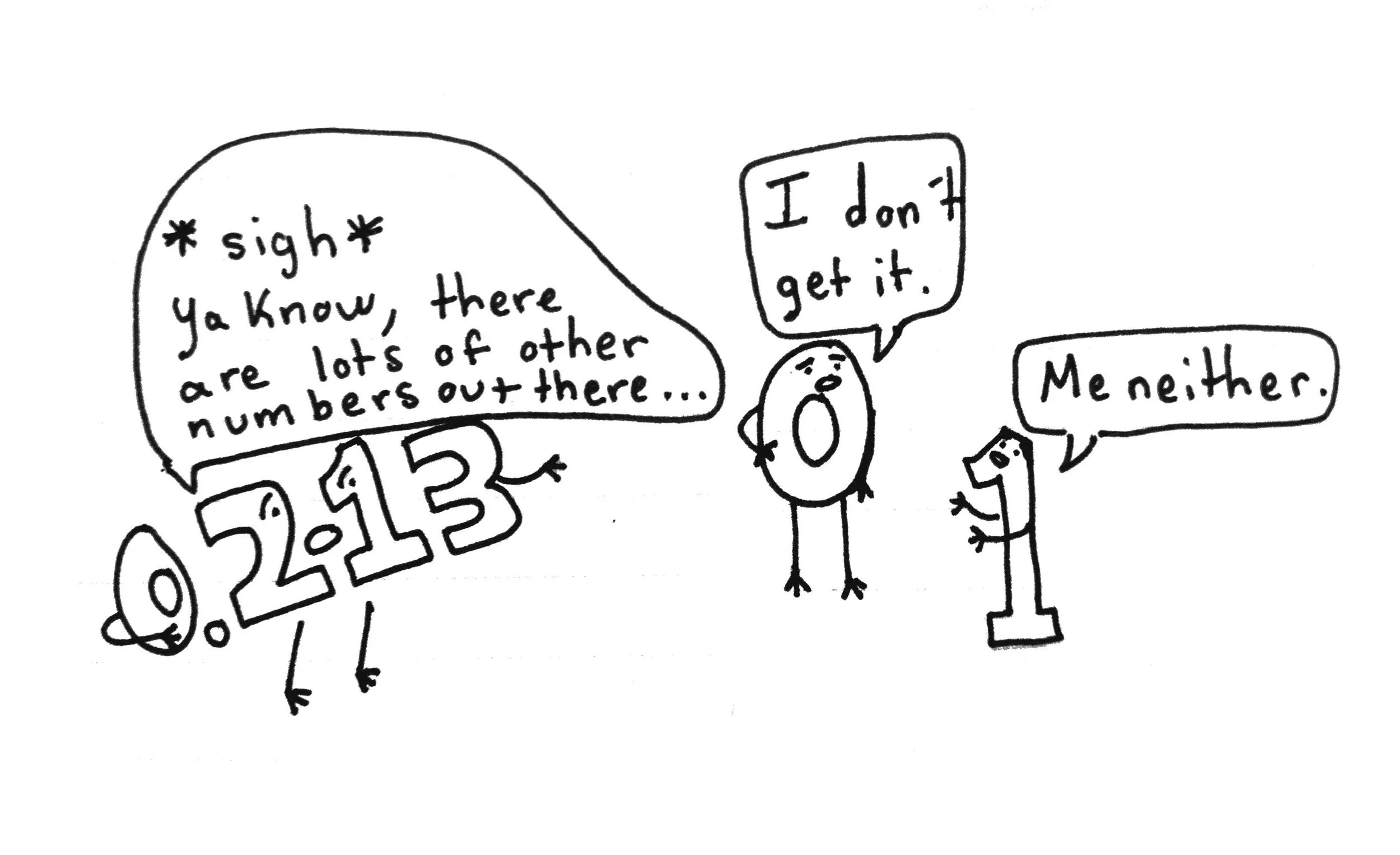
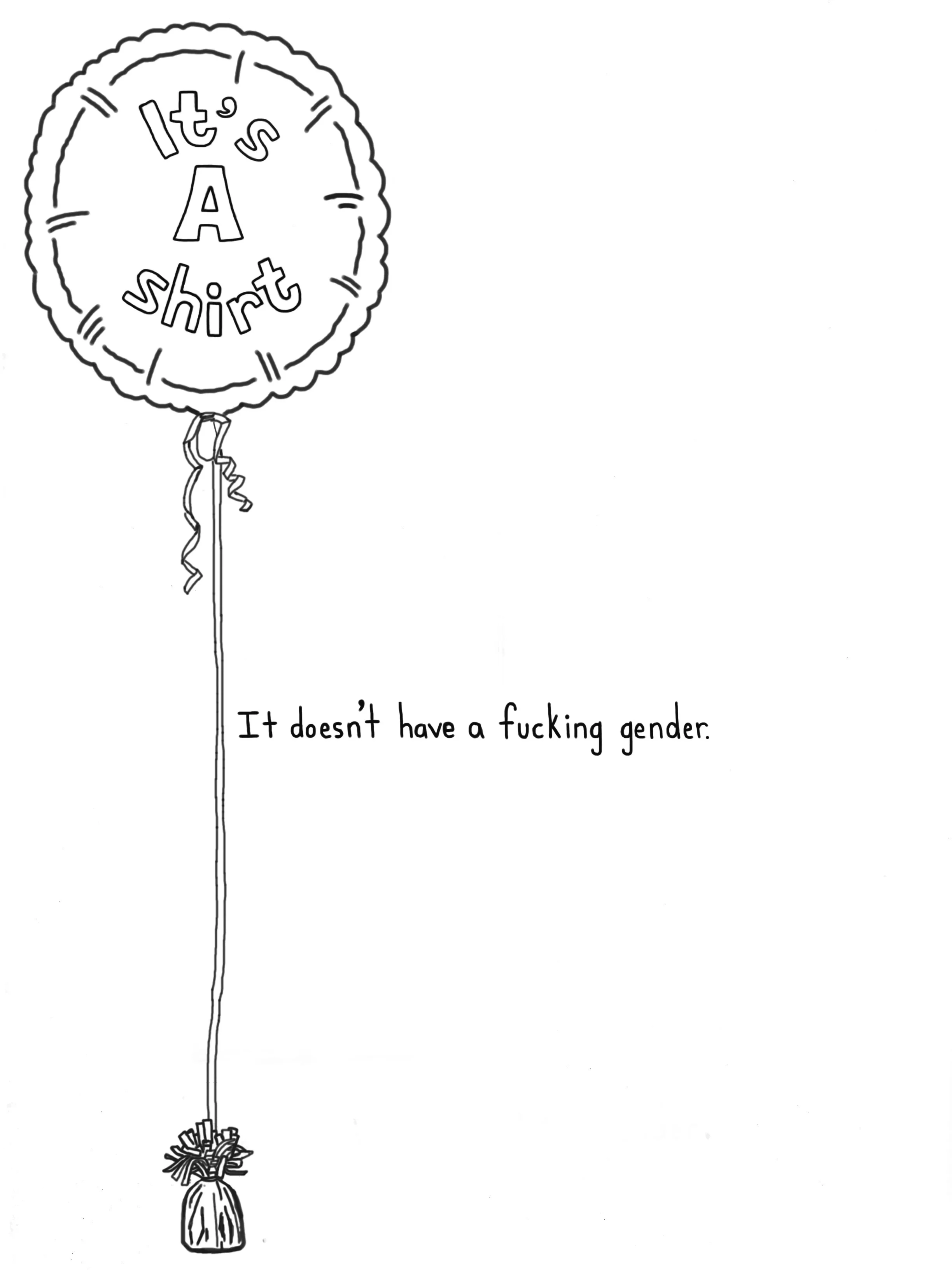
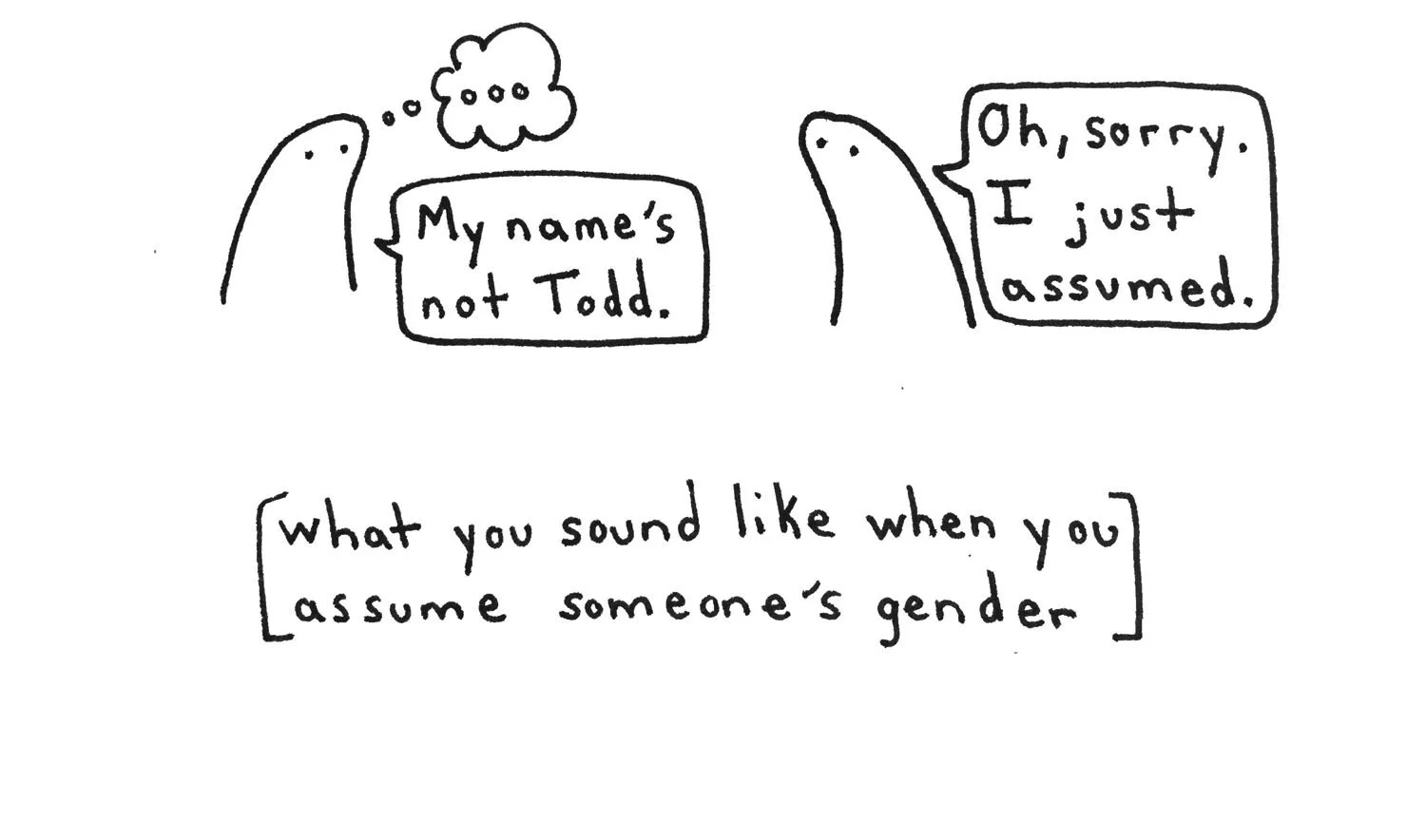
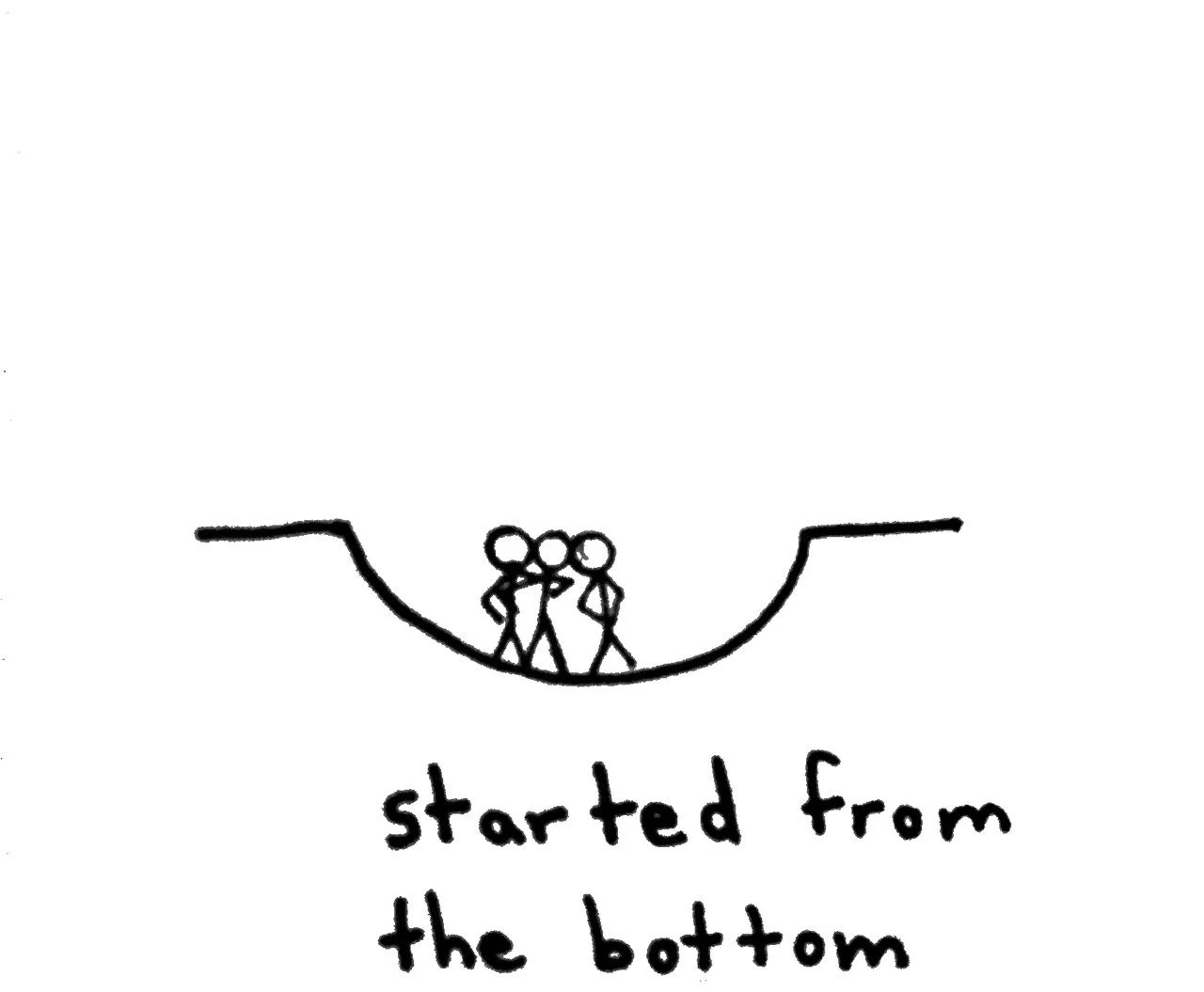
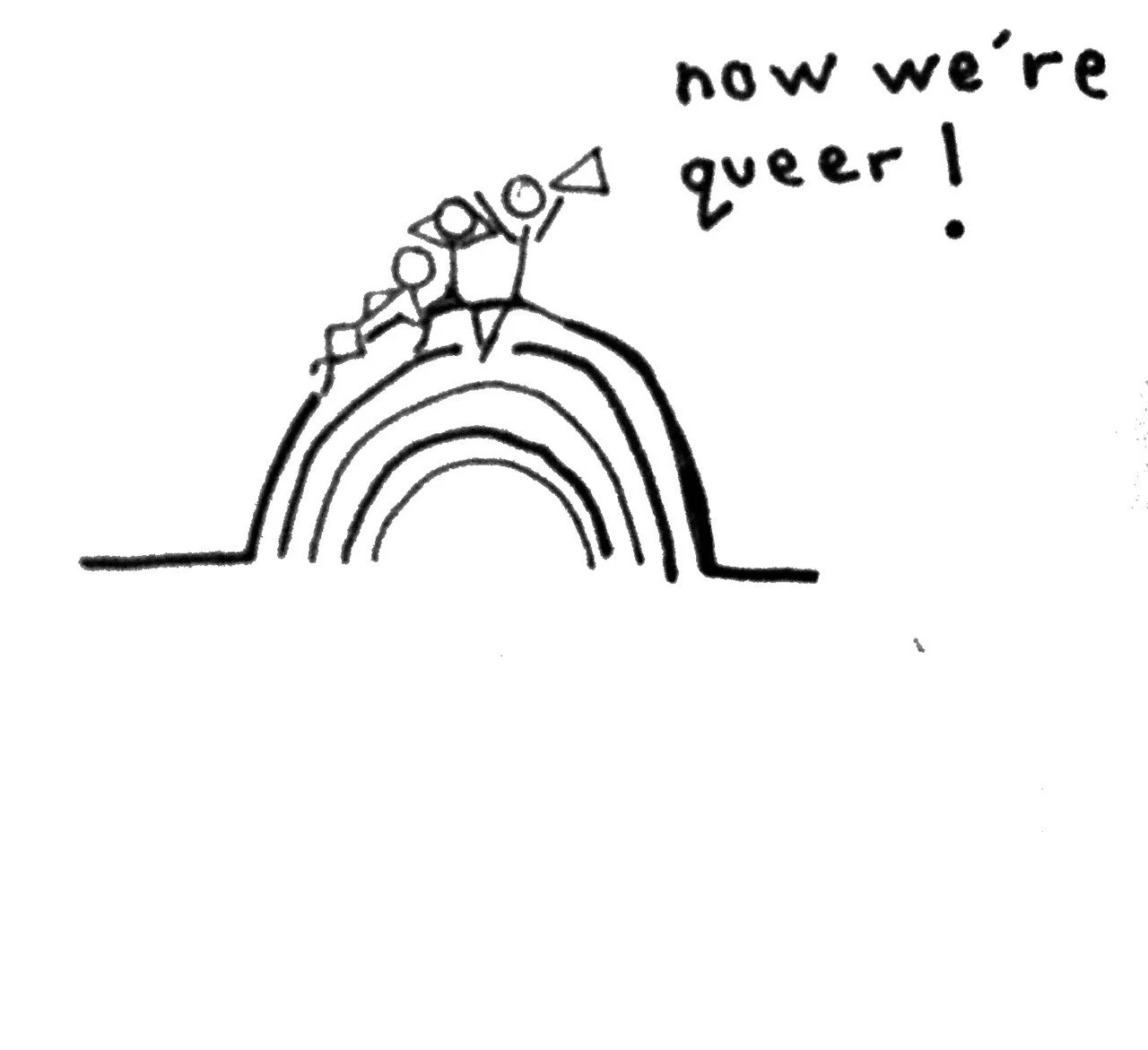
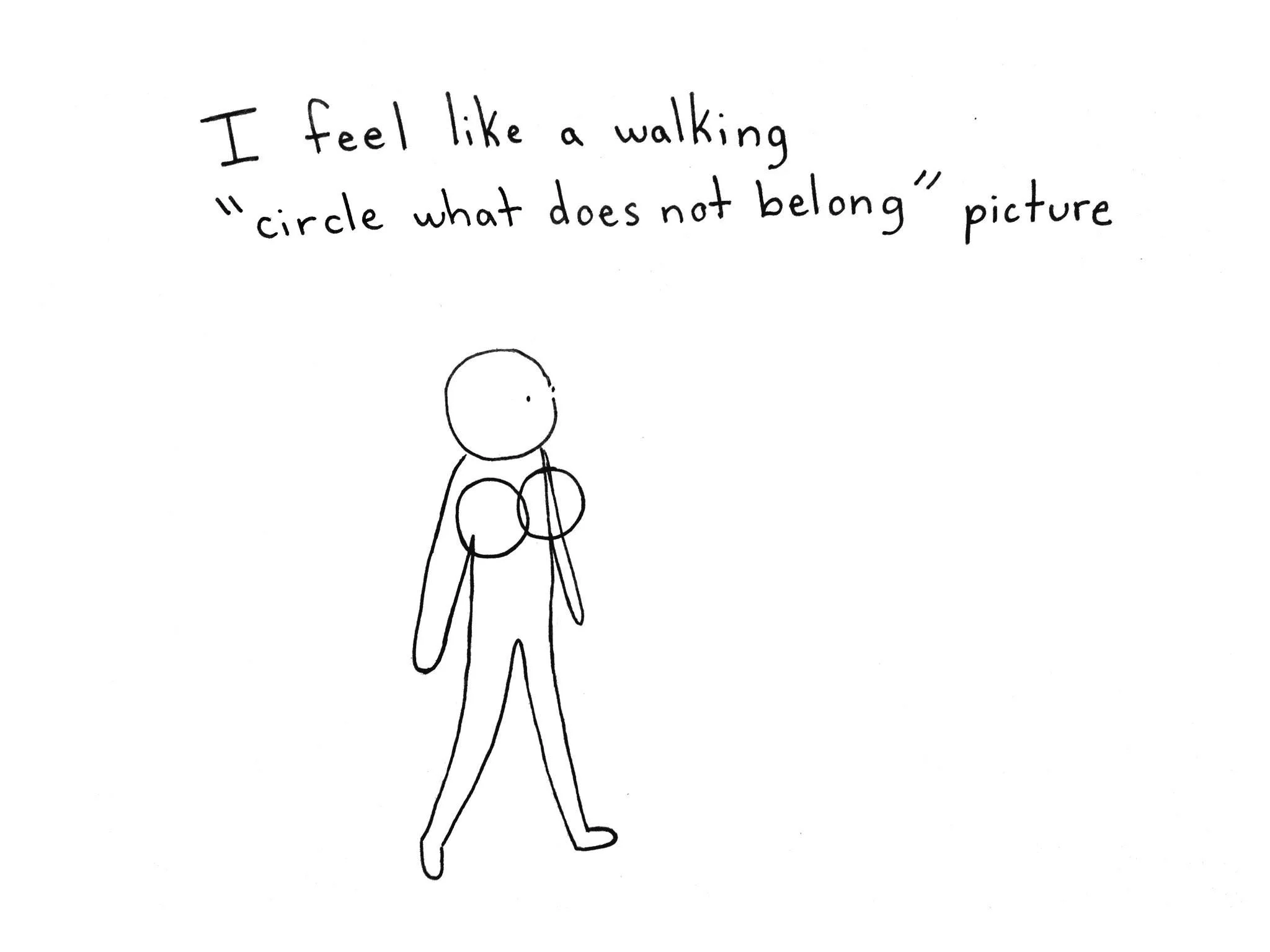
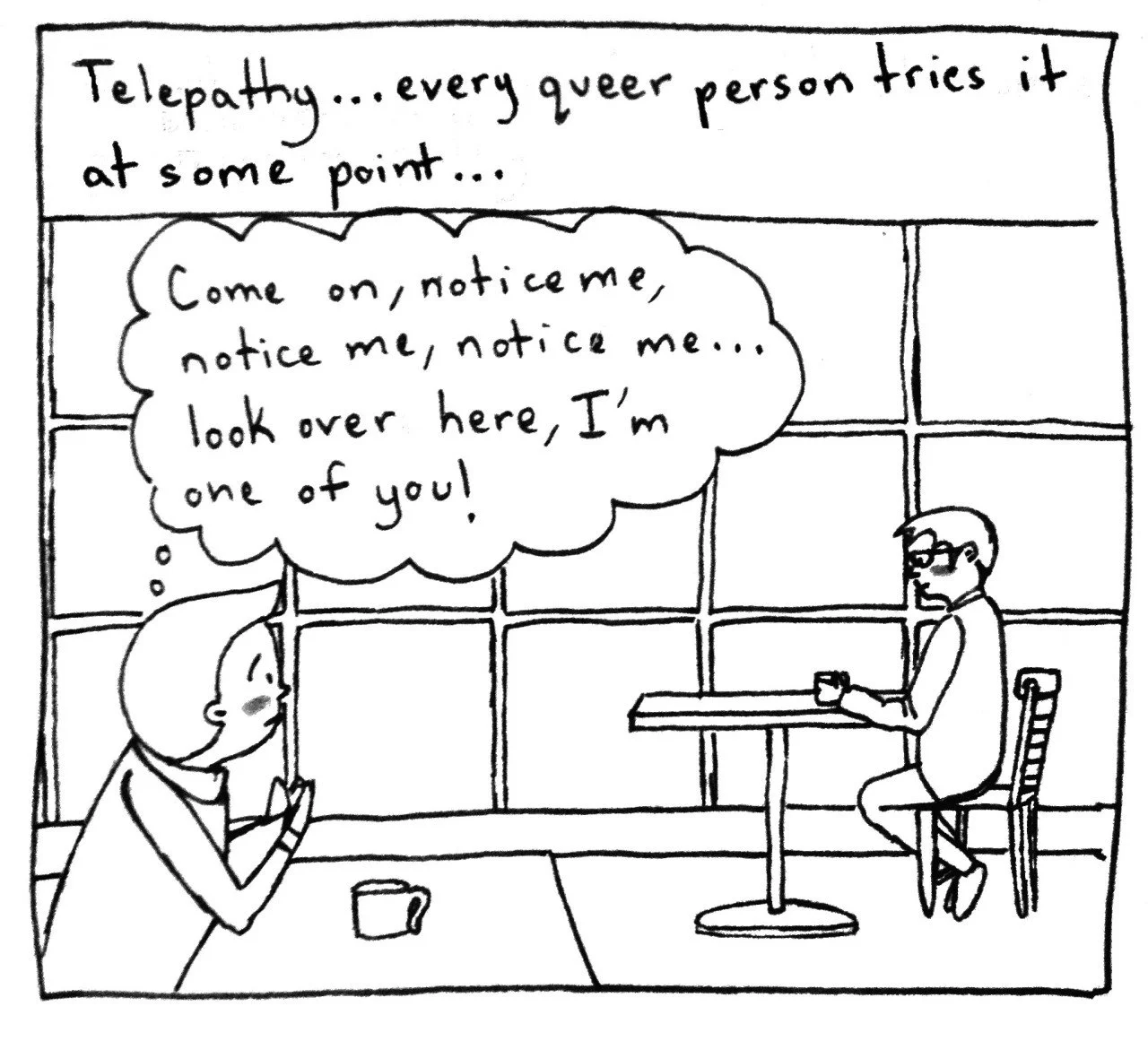
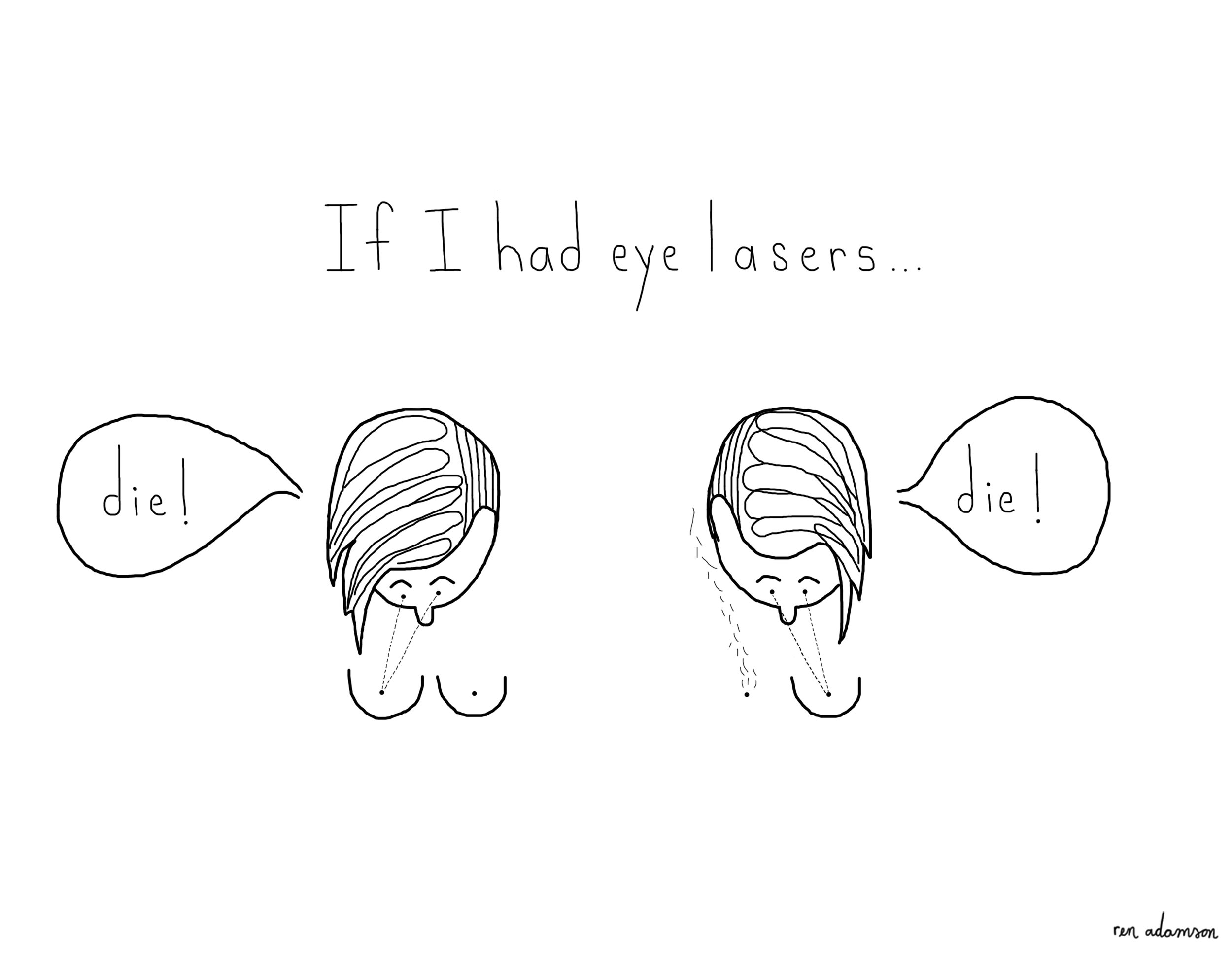
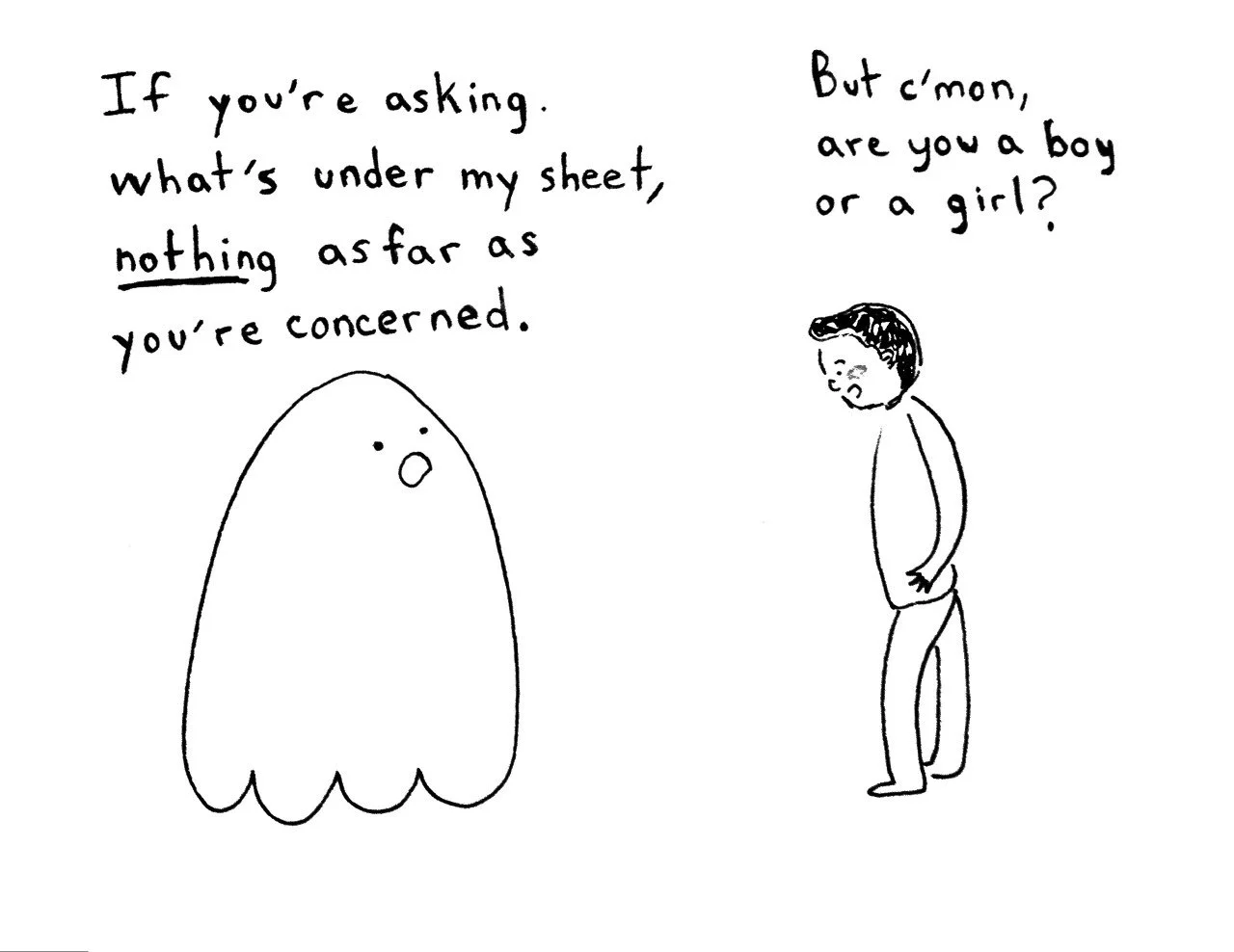
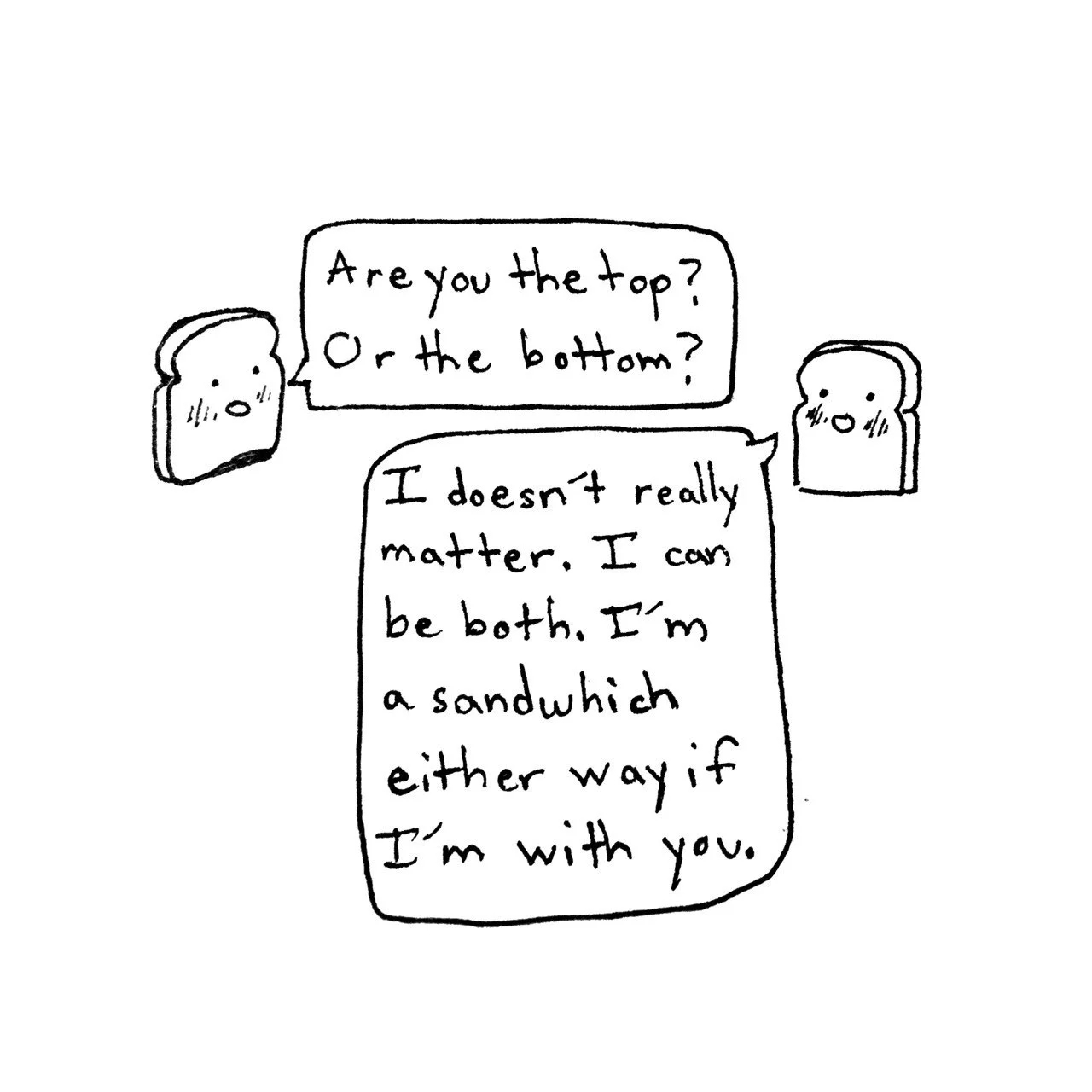
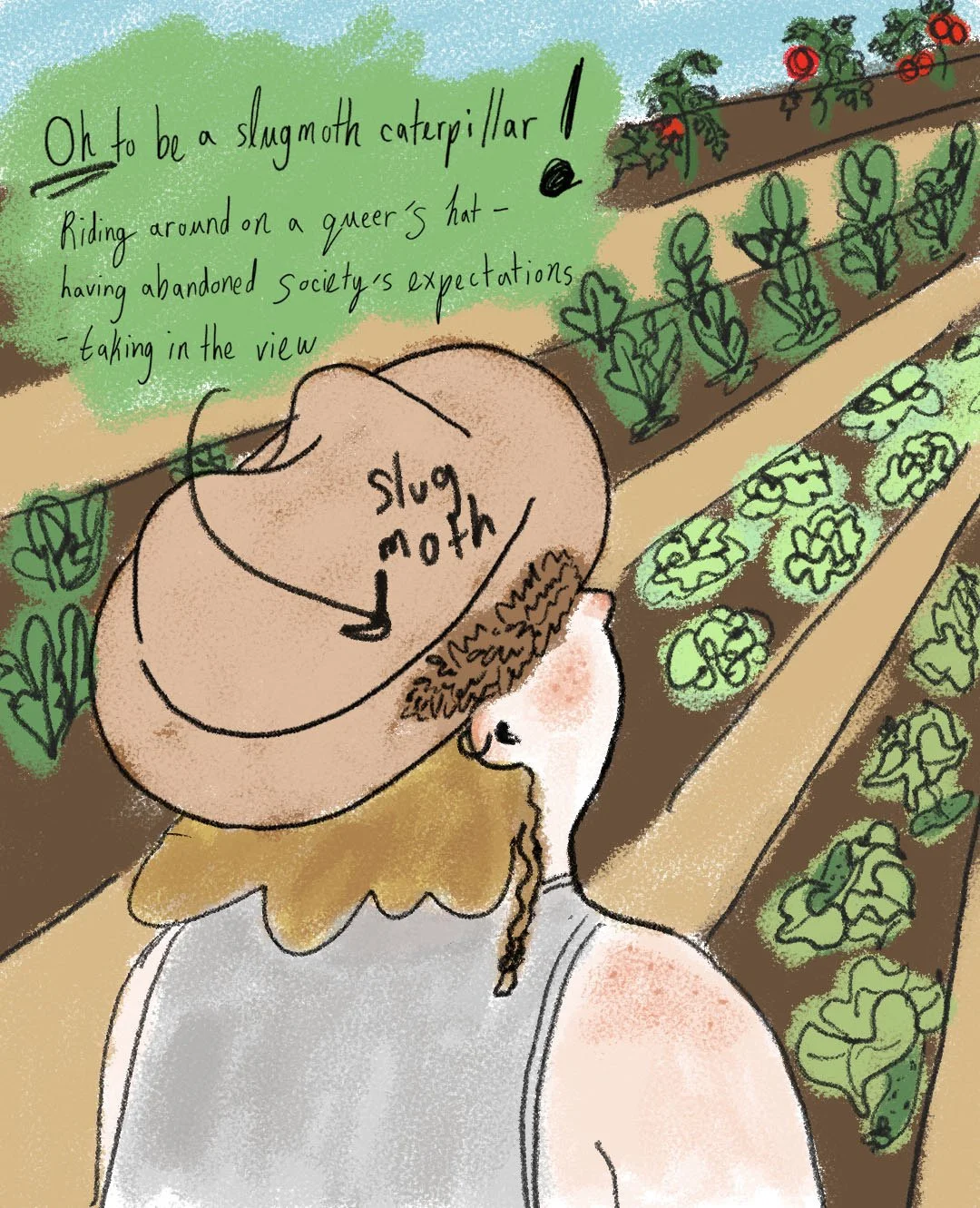
Being a Queer










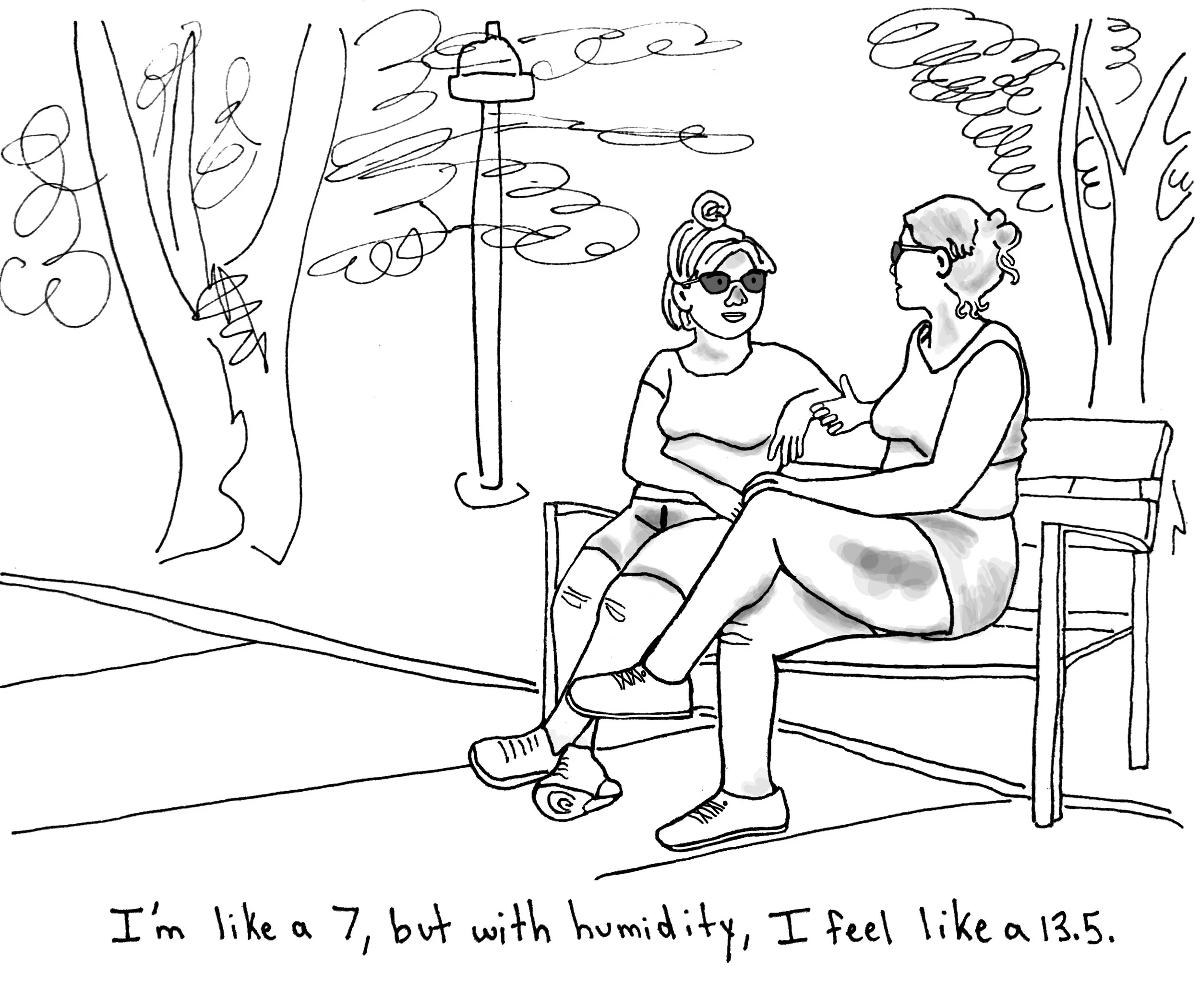
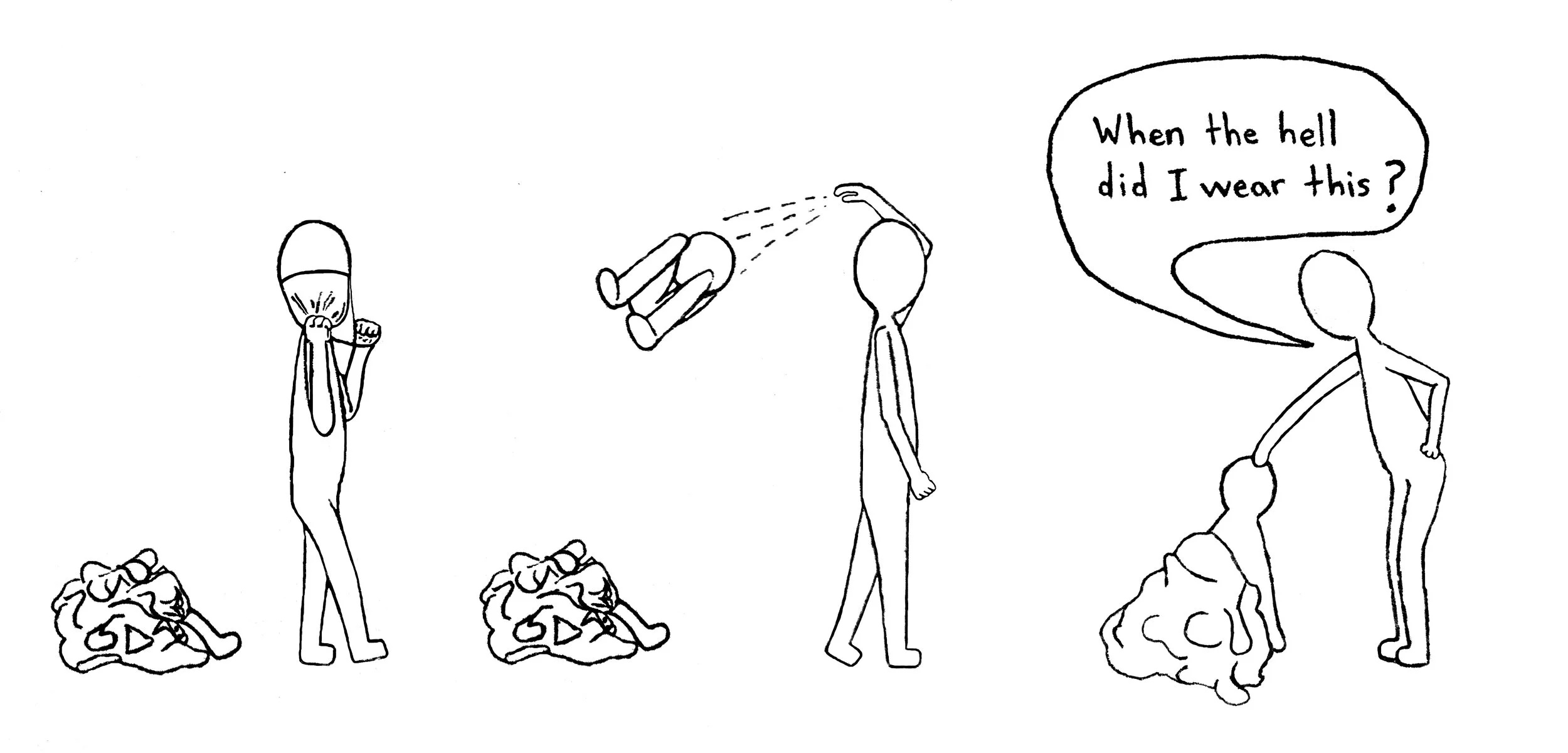
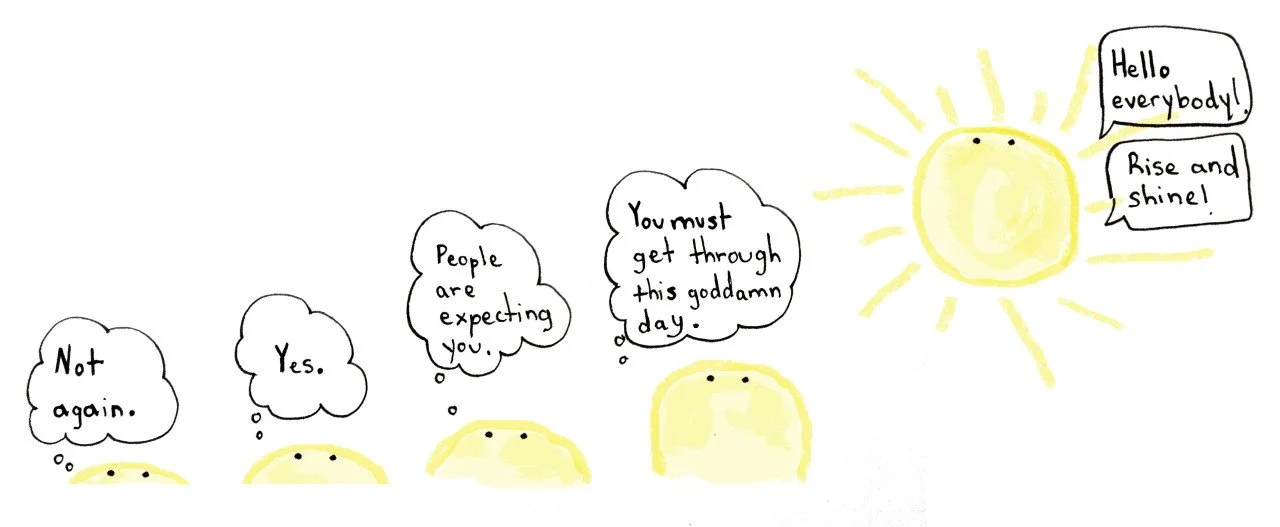
Random Reflections
What didn’t feel elsewhere





Living with a cat
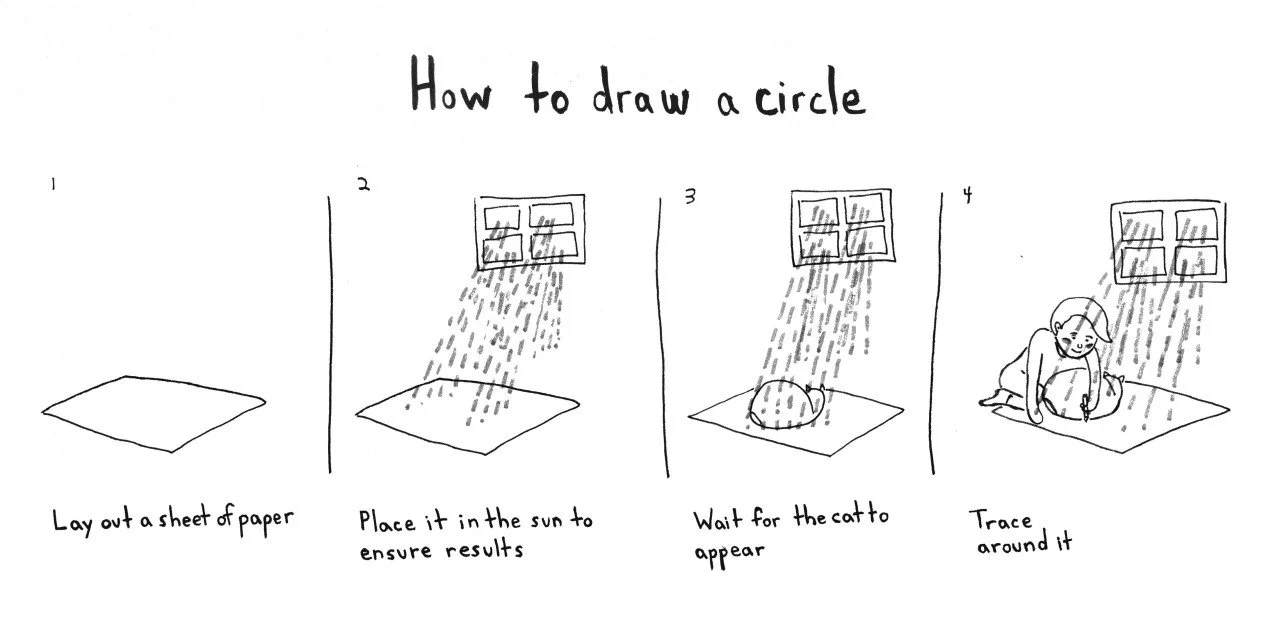
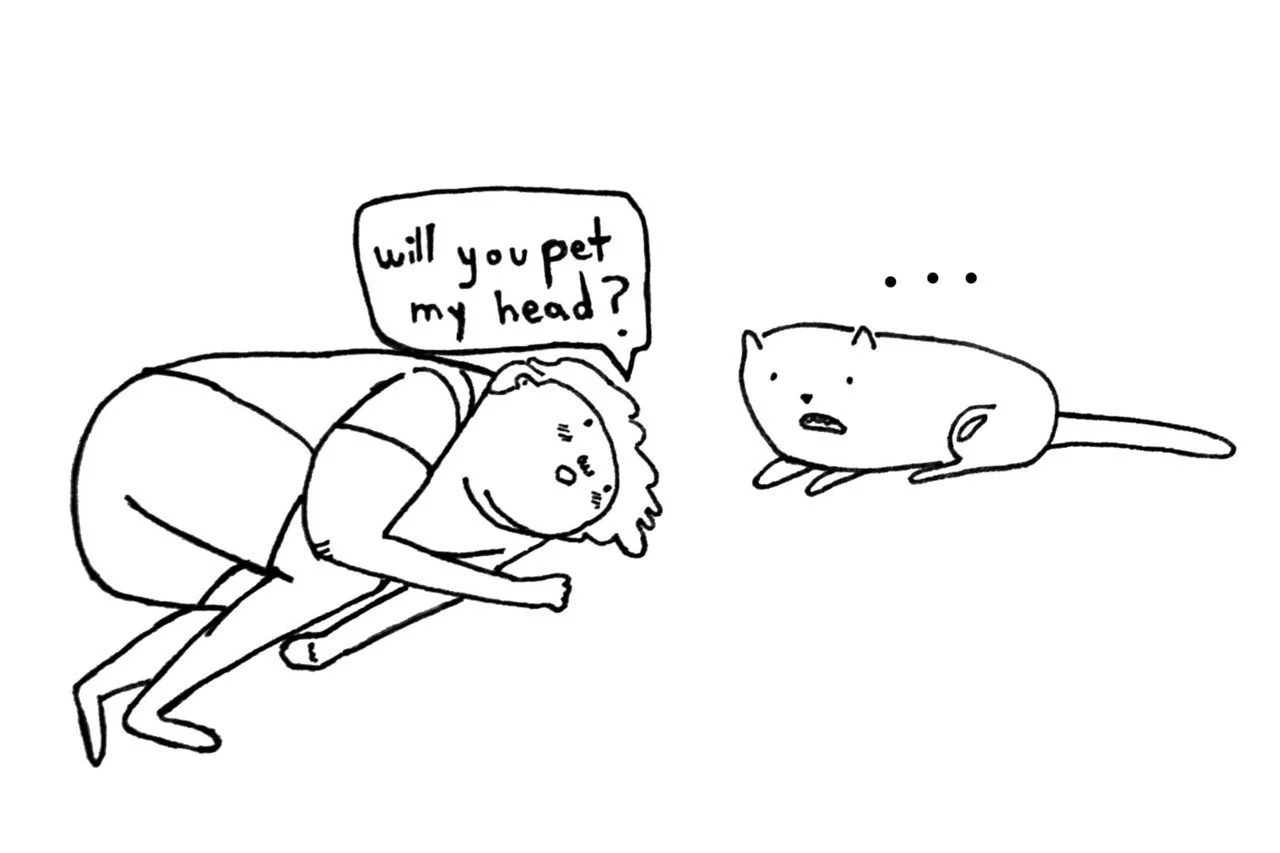
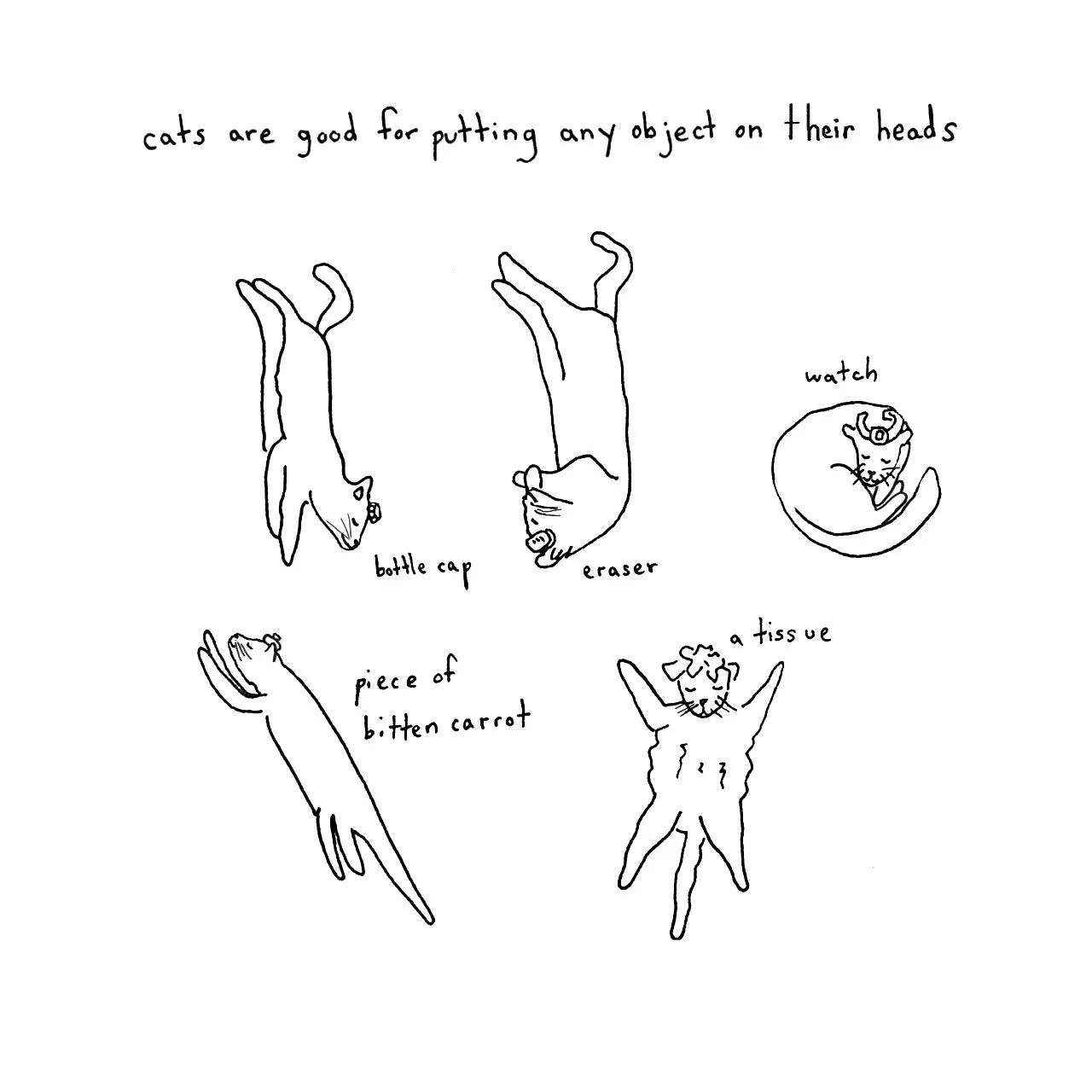
Thoughts on living with tiny fluffy predators


Short Stories: Love